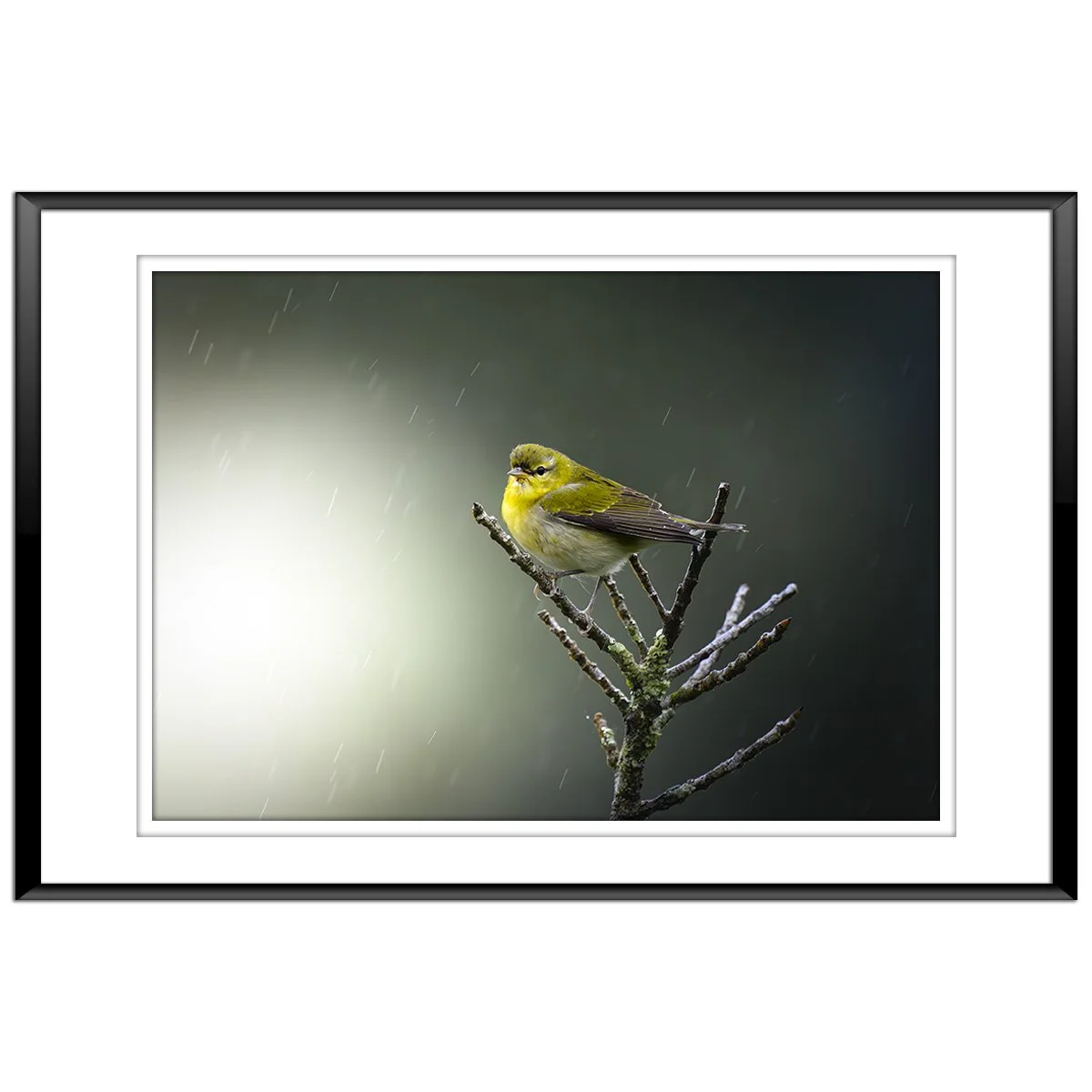
The Tennessee Warbler is a small, energetic songbird best known for its sleek appearance and rapid, buzzy song. Despite its name, this warbler only passes through Tennessee during migration, spending summers in the boreal forests of Canada and winters in Central America and northern South America.
Adults have a clean, grayish head, white eye-line, and olive-green back that contrasts with a whitish underbelly. Males in spring often show a slightly brighter crown and sharper facial markings, while females and fall birds appear duller and more uniformly olive. Their slender bill is perfectly suited for gleaning insects, especially leaf-eating caterpillars, which make up much of their diet.
In Costa Rica and other wintering areas, the Tennessee Warbler is a common canopy and mid-level forager, often joining mixed-species flocks in gardens, forest edges, and shade coffee farms. They’re especially notable for their fondness of nectar from flowering trees—frequently visiting Inga blossoms—and may even compete with hummingbirds for access.
The species’ name reflects its migration history, not its breeding range; it was first described from a specimen collected in Tennessee during migration.
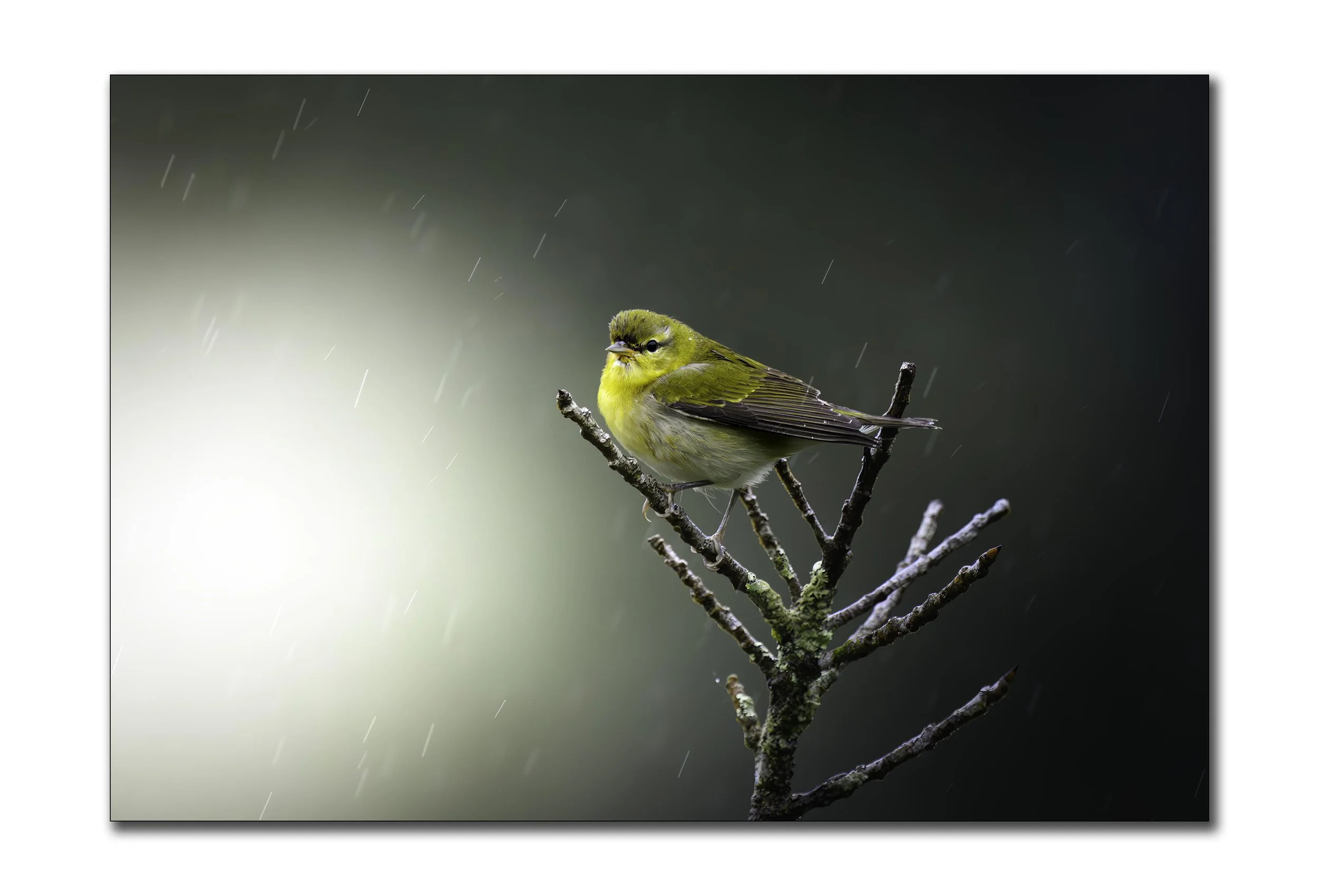
The Tennessee Warbler is a small, energetic songbird best known for its sleek appearance and rapid, buzzy song. Despite its name, this warbler only passes through Tennessee during migration, spending summers in the boreal forests of Canada and winters in Central America and northern South America.
Adults have a clean, grayish head, white eye-line, and olive-green back that contrasts with a whitish underbelly. Males in spring often show a slightly brighter crown and sharper facial markings, while females and fall birds appear duller and more uniformly olive. Their slender bill is perfectly suited for gleaning insects, especially leaf-eating caterpillars, which make up much of their diet.
In Costa Rica and other wintering areas, the Tennessee Warbler is a common canopy and mid-level forager, often joining mixed-species flocks in gardens, forest edges, and shade coffee farms. They’re especially notable for their fondness of nectar from flowering trees—frequently visiting Inga blossoms—and may even compete with hummingbirds for access.
The species’ name reflects its migration history, not its breeding range; it was first described from a specimen collected in Tennessee during migration.